







ashtangayoga in tradition of Shri K. Pattabhi Jois (Guruji)
Ashtanga Yoga is a traditional form of yoga based on eight limbs: Yama (moral conduct), Niyama (self observances), Asana (physical posture), Pranayama (breath control), Pratyahara (controlling the senses), Dharana (concentration), Dhyana (meditation), Samadhi (freedom).
Initial interest in yoga is cultivated through the practice of the third limb, asana, which cleanses, detoxifies and realigns the physical body, creating a strong foundation to experience other limbs.
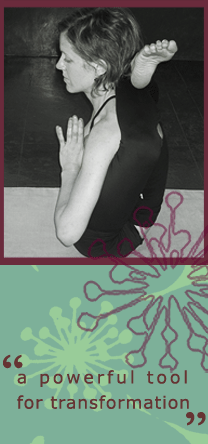
Ashtanga Yoga is a powerful tool for transformation when practiced with the correct knowledge of breath (ujjayi breathing), asana (physical posture) and drishti (specific gaze points for each posture). Guruji often refers to Ashtanga Yoga as a “scientific method” due to the counting of each breath which is synchronized with movement (vinyasa) leading into and out of each posture. Vinyasa lifts the heat from the core of the body, detoxifying and burning out impurities. The practice of correct drishti for each posture focuses the mind, enabling the student to direct attention inwards and be firmly aware of the present moment. An important part of the Ashtanga system is the use of bandhas (internal energy locks); mula bandha (root lock), the lifting of the perineum, and uddiyana bandha (upward flying energy lock), the upward lift of the lower abdomen. These two bandhas work in conjunction with the breath, lifting and redirecting the energy from the lower body upwards giving physical health through building the internal fire...
(click to continue...)